Game Design / Systems / Combat & Level Design
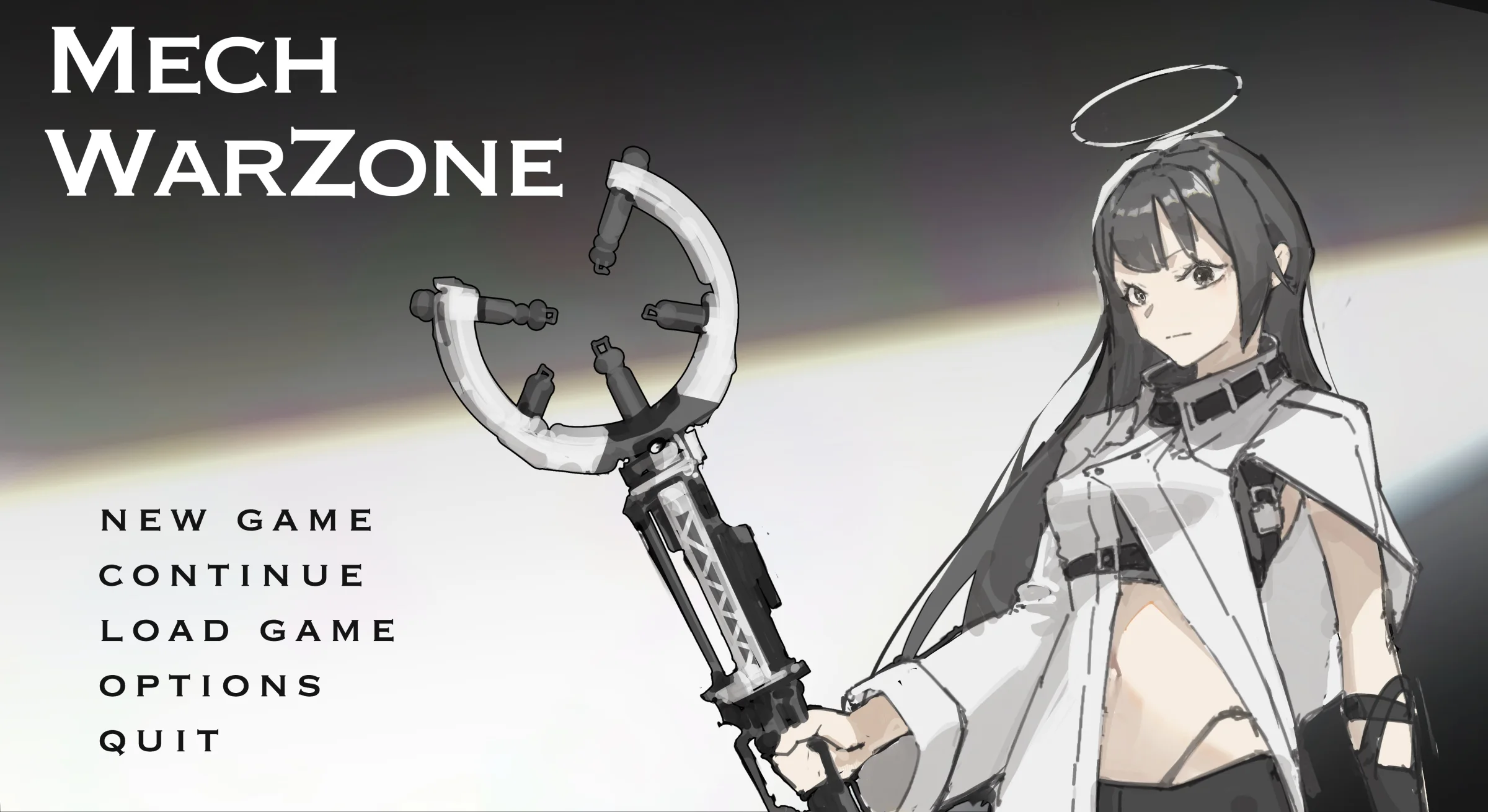
2D Strategy Action Adventure / Playable prototype · v3.2
Mech Warzone
MECH WARZONESwitch among three forms with independent health and energy pools. Explore hidden routes and gather boss intelligence to turn preparation into tactical advantage.
ELEVATOR PITCH
Manage three bodies and their limited resources; let exploration change the answer to each fight.
Switch among three forms with independent health and energy pools. Explore hidden routes and gather boss intelligence to turn preparation into tactical advantage.
CORE GAMEPLAY
What does the player do?
Mech Warzone is a 2D side-scrolling strategy action prototype built around three forms—Ancient, Future and Modern—each with its own health, energy, weapons, movement and skills. No form is universally optimal; switching transfers risk to another resource set.
Exploration is part of combat preparation. Hidden routes alter the path, chests reveal boss weaknesses, and new abilities open traversal and interaction options. Prepared players can avoid optional fights and preserve resources for the boss.
Melee actions recover energy, while ranged tools and skills spend it for control and burst. Exploiting weaknesses builds Heat and opens a stagger window; environmental objects provide additional ways to convert information into damage.
Explore
Read spaces and environmental clues
Identify
Find routes, abilities and boss intel
Configure
Choose a route and allocate resources
Break
Exploit weaknesses to build Heat
Burst
Commit damage during stagger
DESIGN HIGHLIGHTS
What should be remembered quickly.
Information changes difficulty
Hidden routes and boss intelligence reduce uncertainty and can bypass unnecessary encounters.
Three-form resource loop
Melee sustains energy while ranged and modern firepower spend it; independent pools force active risk allocation.
Boss pressure structure
Weaknesses build Heat, phase skills create deadlines, and stagger windows reward preparation.
Environment as a weapon
Objects discovered during exploration become damage tools and safer openings in the boss arena.
Genre
2D side-scroller / strategy action / exploration
Platform
PC
Scope
Approx. 30 minutes / single-level prototype
Systems
3 forms / independent health & energy / boss fight
Strategic inputs
Hidden routes, intel, affinities and environmental interaction
My work
Combat, character, enemy, level and world design
DESIGN BREAKDOWN
Design question
How can a side-scrolling action game support planning beyond immediate execution?
System answer
Split survival resources across three forms and make recovery, range and movement interdependent.
Exploration structure
Optional routes, intelligence and environmental abilities let preparation reshape combat difficulty.
Boss structure
Weaknesses, Heat, phase skills and time pressure create a readable combat rhythm.
Iteration focus
Version 3.2 expands enemy variety and completes the melee-recovery / ranged-spending loop.
LEVEL DESIGN
A prologue that combines story, tutorial and three-form unlocks
The route moves from an assassination through a world-merging incident and back to the company entrance. Movement, combat, switching and environmental interaction are introduced through events before the gatekeeper boss tests the full set.
Leave the assassination
Establish identity and reveal the destination early
Tremor at the tavern
Create motivation through the world-merging event
Robot assault
Turn story conflict into a basic combat lesson
Crossing eras
Unlock forms through Ancient and Modern spaces
Company entrance
Combine movement, combat and interaction
Gatekeeper
Test preparation and close the prologue
Show the destination first
The company entrance and gatekeeper appear at the beginning, so later detours and unlocks read as preparation for a known goal.
Hide instruction inside events
Movement, interaction and combat prompts arrive alongside the crisis instead of in a detached tutorial room.
Add one capability per room
Double jump, melee, ranged combat and environmental abilities each change both traversal and combat.
Let the environment tell the story
Broadcasts, tavern changes and maintenance spaces reveal eras while the player keeps moving.
Return exploration to combat
Hidden routes and NPC clues reveal weaknesses, mechanisms and usable objects for the boss.
Tighten encounter rhythm
Platforms, mixed-range enemies and interaction stack toward the company entrance and final test.
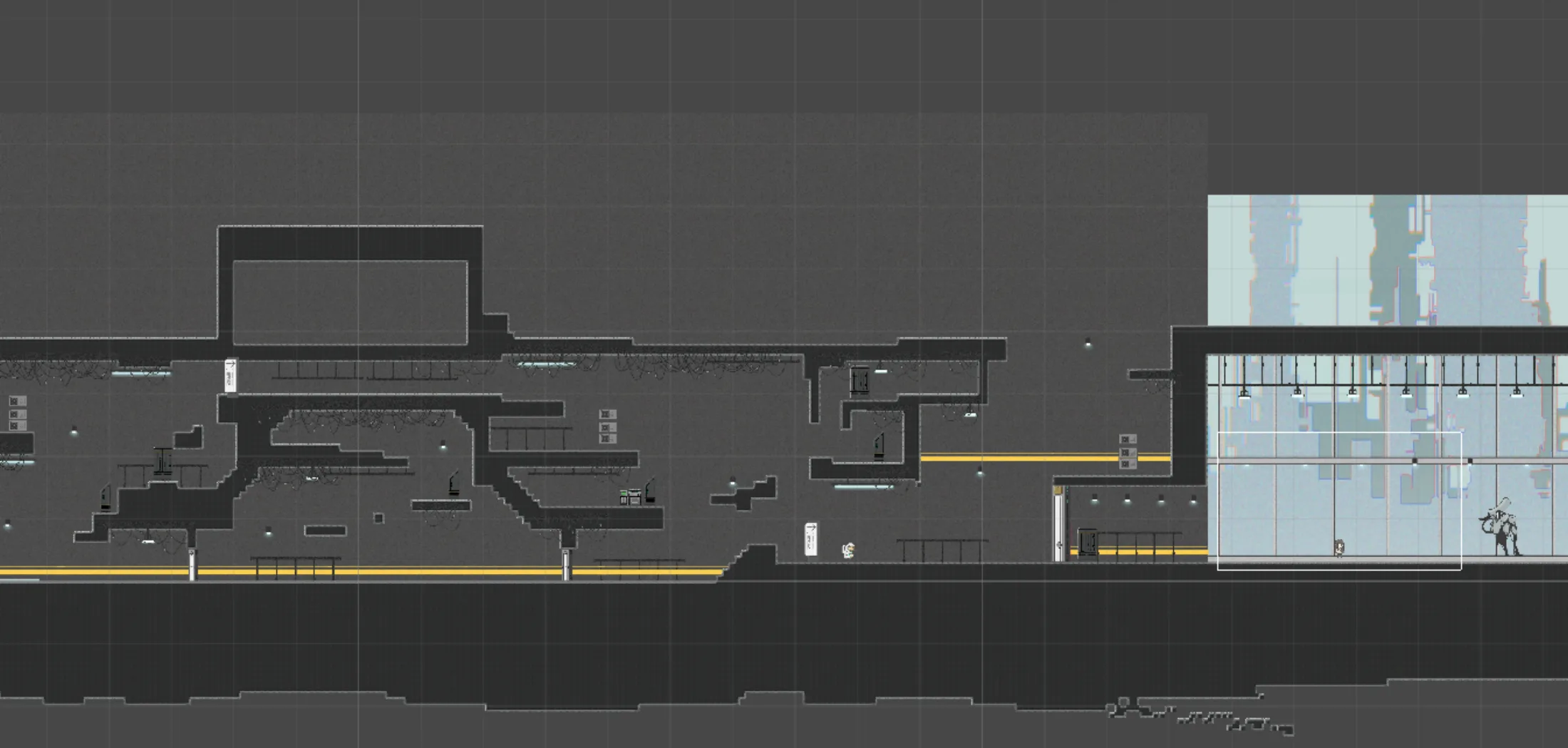
Level-design material 01
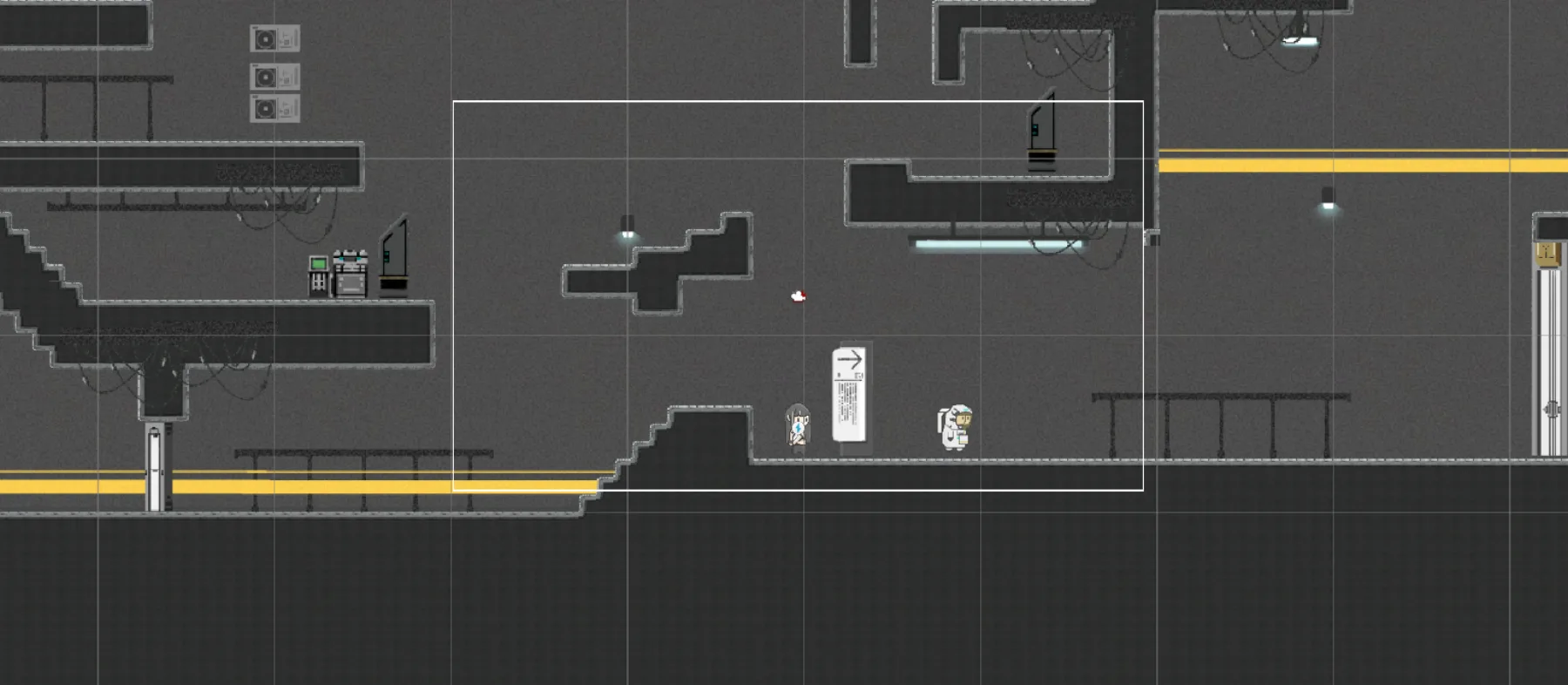
Level-design material 02
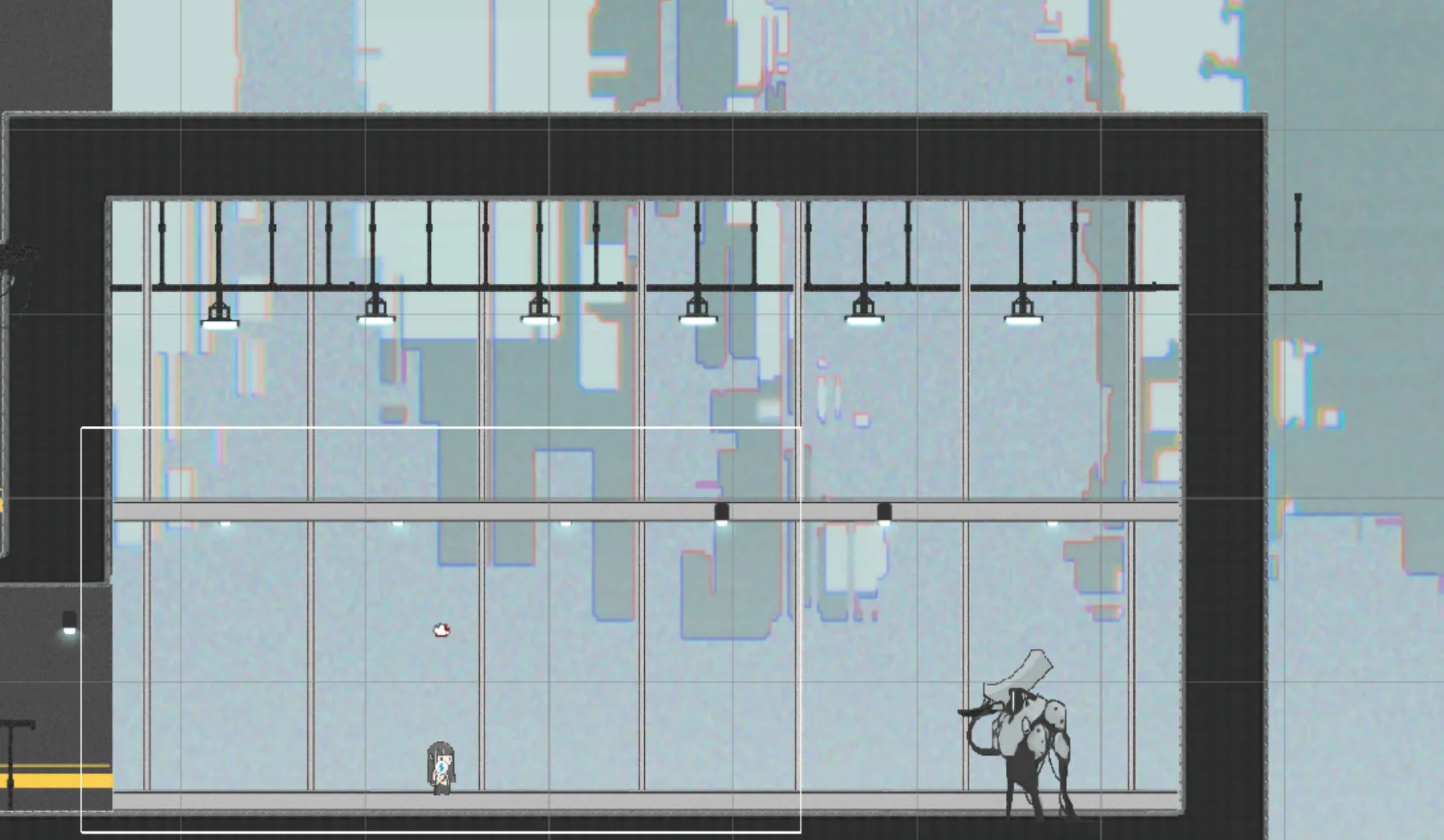
Level-design material 03
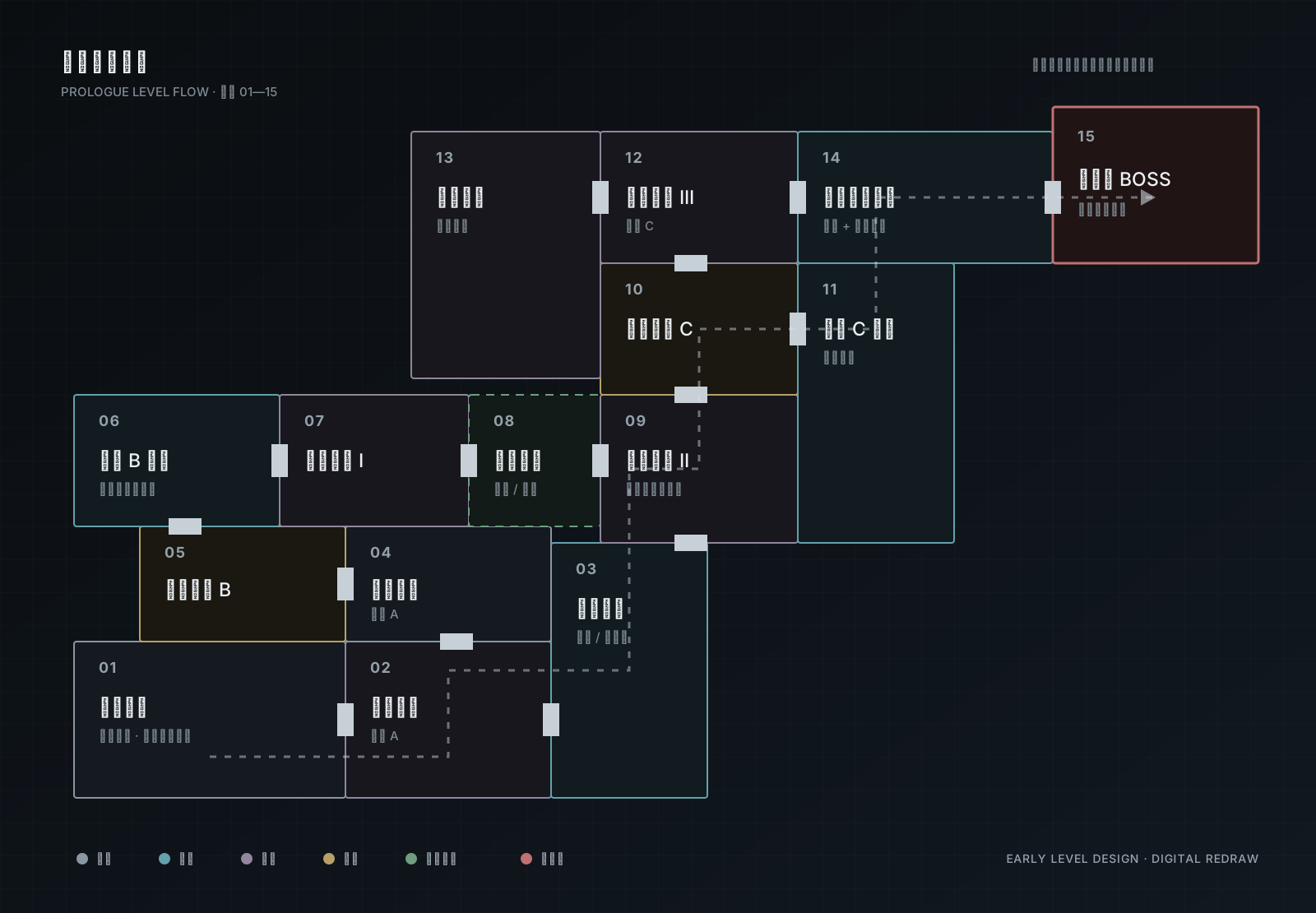
Level-design material 04
MY CONTRIBUTION
Game Design / Systems / Combat & Level Design
- Designed the three-form health, energy, weapon, skill and switching rules
- Designed three standard enemies, one elite and a two-phase boss
- Built the melee recovery, ranged spending, weakness, Heat and stagger loop
- Connected hidden routes, boss intelligence and environmental objects to combat difficulty
- Developed the three-world premise and the core prototype structure
Contribution: 100% of game-design work. This portfolio presents an edited project summary; source files are not public.
SCREENSHOTS
Playable results and key scenes.
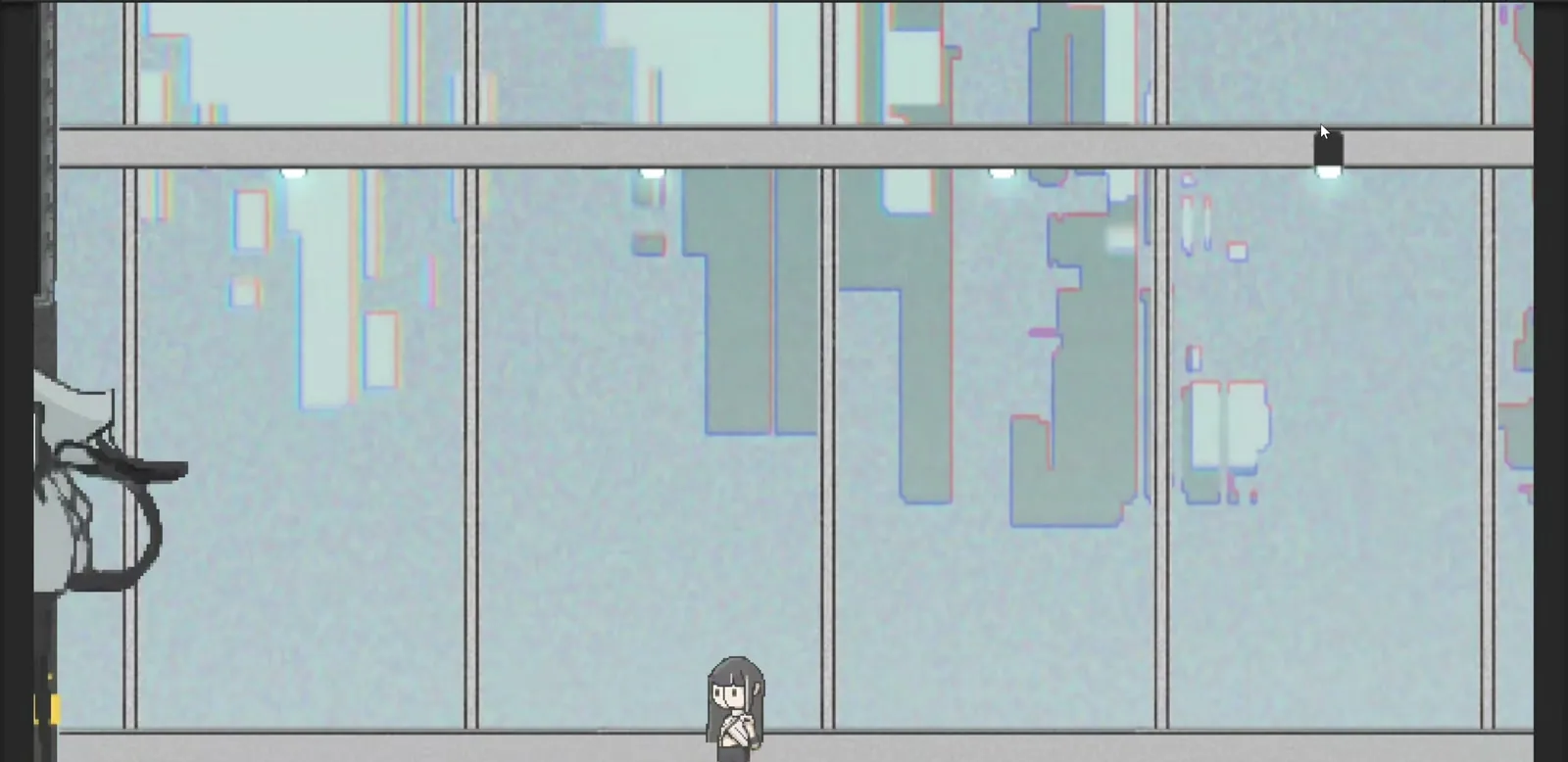
Gameplay screenshot 01
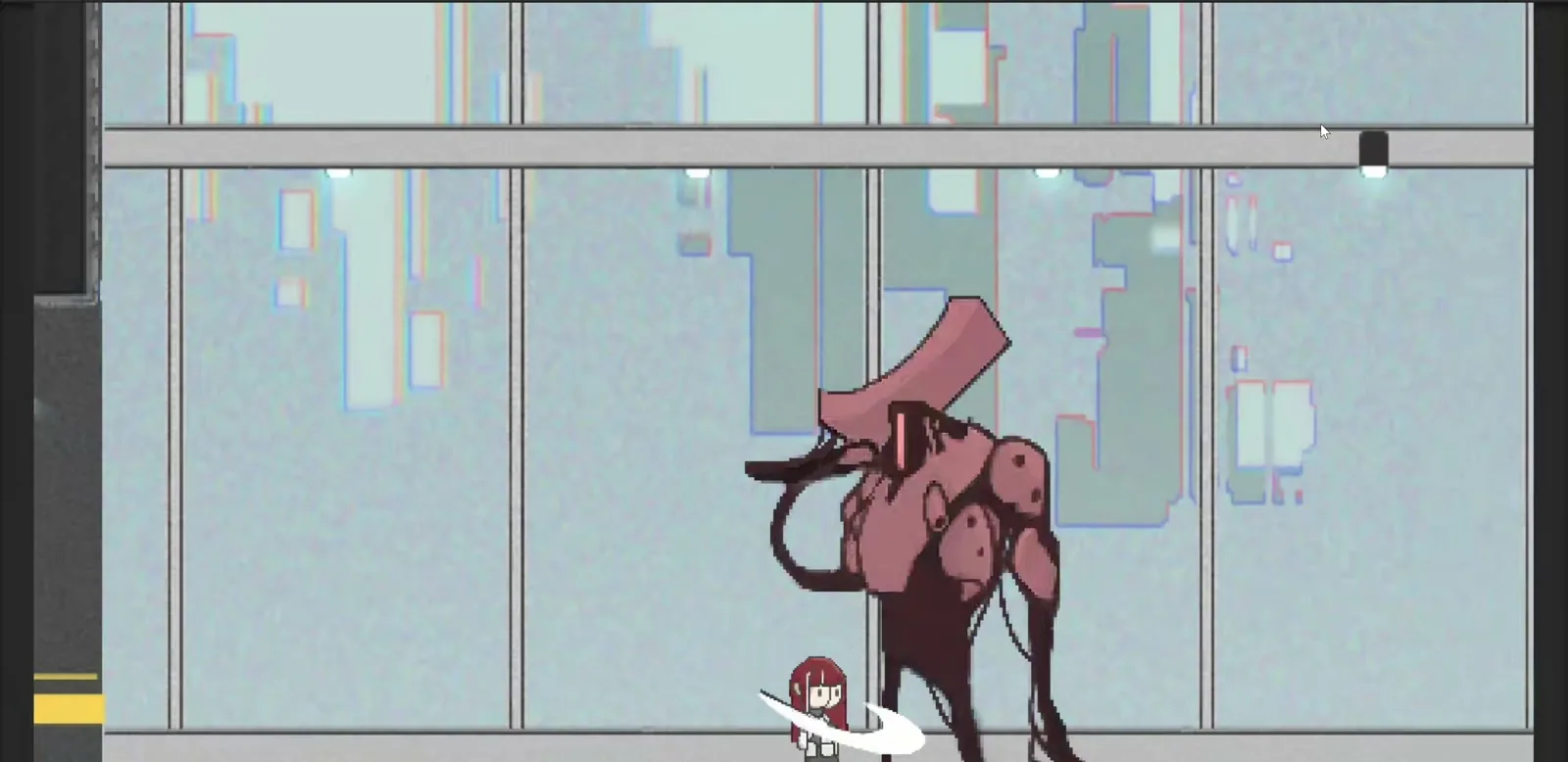
Gameplay screenshot 02
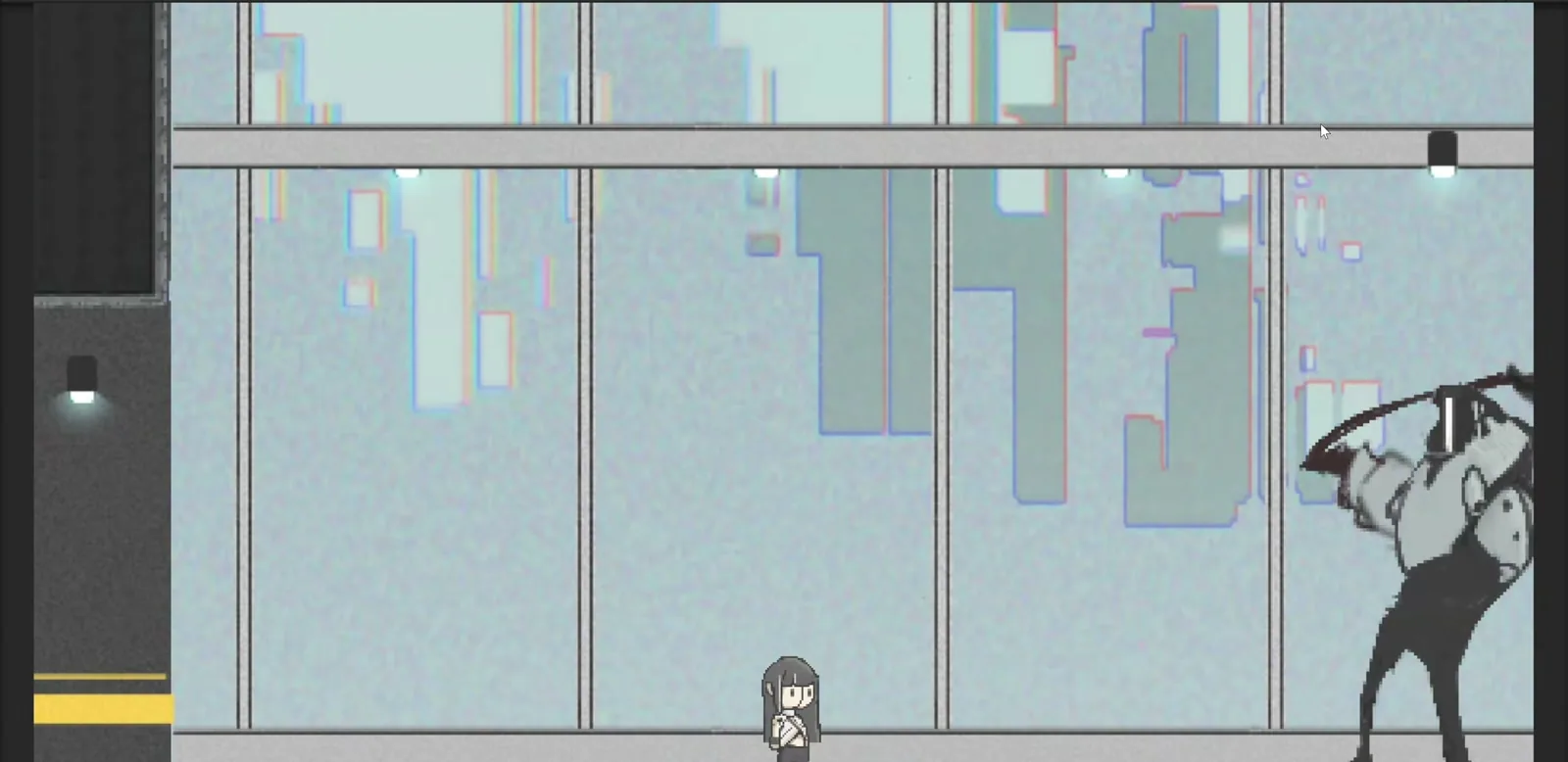
Gameplay screenshot 03
GIF / MOTION
Motion material to be added.
The full gameplay capture demonstrates the principal controls and system flow.
LINKS
Project materials and playable builds.
After opening a cloud drive link, check the filename and access code shown above.